Understanding Family Dynamics Through the Eagle Family: A Psychological Perspective
- Mervin Ellis, MS, LMFT, AAMFT,

- May 9
- 3 min read
Family life can be complex, filled with challenges and growth opportunities. Observing nature often reveals surprising lessons about relationships and roles within a family. The eagle family, known for its strength, care, and resilience, offers valuable insights into family dynamics from a psychological perspective. This post explores how the behaviors and interactions of eagles can help us understand and improve our own family life.

The Role of Leadership and Protection in the Eagle Family
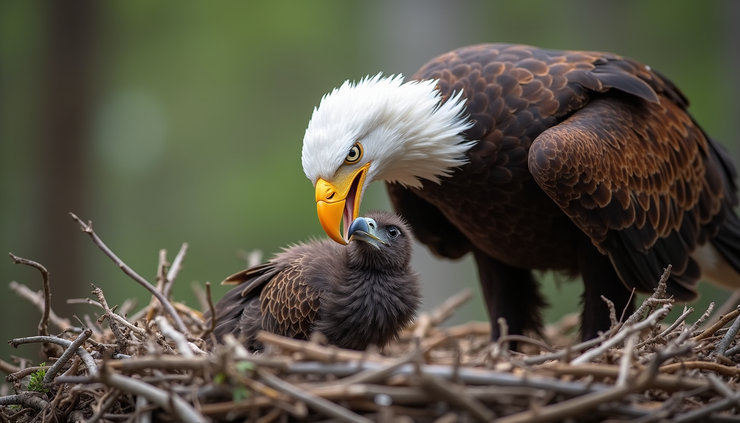
Eagles are often seen as symbols of power and independence, but within their family units, they demonstrate a clear structure of leadership and protection. Typically, the adult eagles share responsibilities, with one often taking the lead in guarding the nest while the other hunts for food. This division of labor ensures the safety and well-being of their young.
From a psychological standpoint, this balance reflects the importance of shared responsibility in family life. When family members support each other by dividing tasks according to strengths, it reduces stress and builds trust. For example, parents who communicate and coordinate their roles tend to create a more stable and nurturing environment for children.
Key takeaways from eagle family leadership:
Clear roles help reduce confusion and conflict.
Protection and care are shared duties, not the burden of one individual.
Leadership involves both guiding and supporting family members.
Teaching Independence and Resilience Through Eagle Parenting
Eagle parents are known for their tough love approach. After the eaglets grow strong enough, the parents encourage them to leave the nest and learn to fly on their own. This process can seem harsh, but it is essential for the young eagles to develop independence and survival skills.
Psychologically, this mirrors the concept of gradual autonomy in human families. Parents who allow children to face challenges and make mistakes help them build confidence and resilience. Overprotecting children can hinder their ability to cope with difficulties later in life.
For example, a family that encourages teenagers to take on responsibilities like managing their own schedules or handling minor conflicts prepares them for adulthood. The eagle family’s approach reminds us that stepping back at the right time is a form of care.
Communication and Emotional Connection in Eagle Families
Eagles use vocalizations and body language to communicate, especially during the breeding season and while caring for their young. These signals help maintain bonds and coordinate activities. The close physical proximity in the nest also fosters a strong emotional connection.
In human families, effective communication is crucial for emotional health. Expressing feelings clearly and listening actively strengthens relationships. The eagle family’s reliance on consistent, meaningful communication highlights the need for families to develop their own ways of staying connected.
Practical ways to improve family communication include:
Setting aside regular time for open conversations.
Using non-verbal cues like touch or eye contact to show support.
Encouraging each member to share their thoughts without judgment.
Conflict Resolution and Cooperation Among Eagles
While eagle families are generally cooperative, conflicts can arise, especially when food is scarce or during territorial disputes. Eagles resolve these conflicts through displays of strength and retreat rather than prolonged fighting. This behavior minimizes harm and restores balance quickly.
In family psychology, this suggests the value of calm conflict resolution and cooperation. Families that address disagreements with respect and seek solutions rather than blame tend to maintain harmony. For example, parents who model calm discussions during conflicts teach children how to handle disagreements constructively.
Some strategies inspired by eagle behavior include:
Recognizing when to step back and cool down.
Using non-aggressive signals to express dissatisfaction.
Working together to find compromises that benefit everyone.
Building a Strong Family Identity Like the Eagle Family
Eagles are territorial and fiercely protective of their nesting area, which becomes a symbol of their family identity. This sense of belonging and pride in their home strengthens their bond and motivates them to work together.
Humans also benefit from a strong family identity. Shared traditions, values, and goals create a sense of unity and purpose. Families that celebrate their unique culture and history often experience greater cohesion and support.
Ways to build family identity include:
Creating rituals or traditions that everyone participates in.
Sharing stories about family history and achievements.
Setting common goals that encourage teamwork.

Final Thoughts on Learning from the Eagle Family
The eagle family teaches us that strong family dynamics depend on clear roles, shared responsibilities, effective communication, and the balance between protection and independence. These lessons from nature remind us that family life is about cooperation, resilience, and mutual support.
By observing how eagles nurture their young, resolve conflicts, and maintain their family identity, we can find practical ways to strengthen our own family relationships. The next time you face a family challenge, consider the eagle’s approach: protect, communicate, encourage independence, and work together.



Comments