Understanding the Parable of the Weeds in Matthew 13 Unchanging Nature of Christ's Church
- Mervin Ellis, MS, LMFT, AAMFT,

- 5 hours ago
- 3 min read
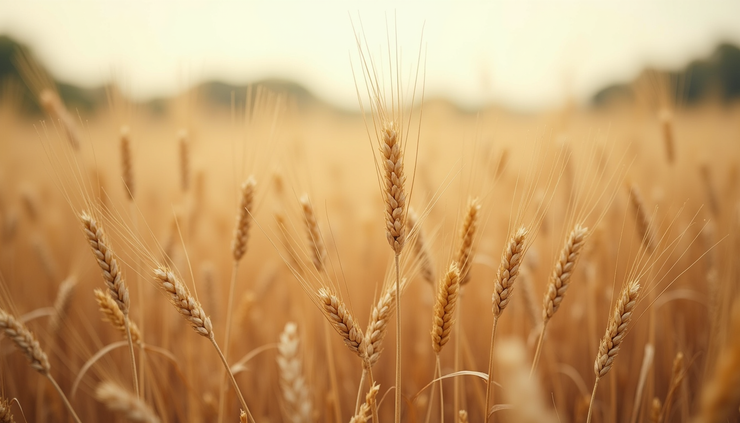
The parable of the weeds in Matthew 13:24-30 offers a powerful insight into the nature of Christ's church. Jesus tells a story about a farmer who sows good seed in his field, but an enemy comes at night and sows weeds among the wheat. When both grow together, the farmer instructs his servants to let them grow side by side until the harvest, when the weeds will be gathered and burned, and the wheat collected into the barn. This parable reveals deep truths about the church Jesus established—truths that remain relevant today.
The Parable’s Meaning and Its Context
Jesus used parables to teach spiritual truths in ways that were relatable and memorable. The parable of the weeds addresses the coexistence of good and evil within the church community. The wheat represents the children of the kingdom—those who follow Christ sincerely. The weeds symbolize those who oppose God’s work, often called the children of the evil one.
This story highlights that the church is not a perfect institution free from sin or false teaching. Instead, it is a mixed community where genuine believers and those who do not truly follow Christ live side by side. Jesus warns against trying to uproot the weeds prematurely, as this could harm the wheat. The final judgment, represented by the harvest, is when God will separate the righteous from the wicked.
The Unchanging Nature of Christ’s Church
One key takeaway from this parable is the unchanging nature of Christ’s church. Despite challenges, imperfections, and the presence of false believers, the church remains the body of Christ. It is not defined by human perfection but by the presence of Christ and the promise of ultimate redemption.
The church is a spiritual kingdom that grows quietly and steadily, like the wheat in the field.
It faces opposition and infiltration by false teachings and harmful influences, represented by the weeds.
God’s timing is perfect; He allows both to coexist until the appointed time of judgment.
This understanding encourages believers to remain patient and faithful, trusting God to protect and purify His church in His own time.

Practical Lessons for Today’s Church
The parable offers several practical lessons for modern believers and church communities:
Patience with Imperfection
Churches will always have struggles with sin and false teaching. Instead of rushing to judge or exclude, members should focus on nurturing faith and love.
Discernment Without Hasty Action
While it is important to recognize false teachings, the parable advises caution in removing people from the church prematurely. This prevents harm to genuine believers and maintains unity.
Hope in God’s Final Judgment
Believers can find comfort knowing that God will ultimately separate good from evil. This hope encourages perseverance through difficult times.
Focus on Growth and Fruitfulness
Like the wheat, the church should focus on growing in faith and producing good works, trusting God to handle the weeds.
Examples from Church History
Throughout history, the church has faced internal challenges similar to those described in the parable. For example:
Early church councils addressed heresies but did so carefully to preserve unity.
Reformation movements sought to correct false teachings while maintaining the core of Christian faith.
Modern churches continue to navigate issues of doctrine and behavior, balancing correction with grace.
These examples show the church’s resilience and God’s faithfulness in preserving His people despite difficulties.

Trusting in the Promise of Christ’s Church
The parable of the weeds reminds believers that Christ’s church is not defined by human flaws but by His presence and promise. The church Jesus established remains unchanging in its purpose: to be a place where God’s kingdom grows until the final harvest.
This truth calls for faithfulness, patience, and hope. Believers are encouraged to:
Stay rooted in Christ’s teachings.
Support one another through challenges.
Trust God’s timing for judgment and purification.
The church is a living community, growing and changing in some ways but anchored in the eternal truth of Christ’s love and salvation.



Comments