Unlocking Mental Wellness: The Science Behind Anti-Inflammatory Foods and Inflammation's Hidden Impact
- Mervin Ellis, MS, LMFT, AAMFT

- May 7, 2025
- 3 min read
Mental health is more than just an isolated part of our well-being; it’s closely linked to what we eat. Research shows a compelling connection between diet and mental health, particularly how inflammation can affect our mood and cognition. This blog post explores the science behind anti-inflammatory foods and their potential to enhance mental wellness.
Understanding Inflammation and Its Impact
Inflammation is the body’s natural response to injury or infection. While acute inflammation is protective, chronic inflammation can lead to health issues, especially mental health disorders. Studies indicate that around 20% of adults experience symptoms of anxiety and depression, which may be connected to ongoing inflammation in the body.
Chronic inflammation can disrupt brain function and alter the balance of neurotransmitters, which play a big role in regulating mood. For example, one study found that individuals with high levels of inflammatory markers in their blood had a 50% higher risk of developing depression. By learning about inflammation, we can make better choices regarding our diet and mental wellness.
The Link Between Diet and Inflammation
Our dietary choices significantly influence inflammation levels. Foods high in sugar, unhealthy fats, and additives can spark inflammatory responses, while nutrient-rich foods can help reduce them. Research suggests that diets low in fresh fruits, vegetables, and whole grains are linked to a higher risk of mood disorders like depression. A 2016 study showed that participants following a Mediterranean diet, rich in anti-inflammatory foods, reported significantly improved mood and lower anxiety levels.
Adopting a mindful approach to eating can lead to better mental health outcomes.
What Are Anti-Inflammatory Foods?
Anti-inflammatory foods support both physical and mental health. Some examples include:
Fruits and Vegetables: Berries, such as blueberries and strawberries, are packed with antioxidants. Leafy greens like spinach and kale, along with citrus fruits, contain vitamins that combat inflammation.
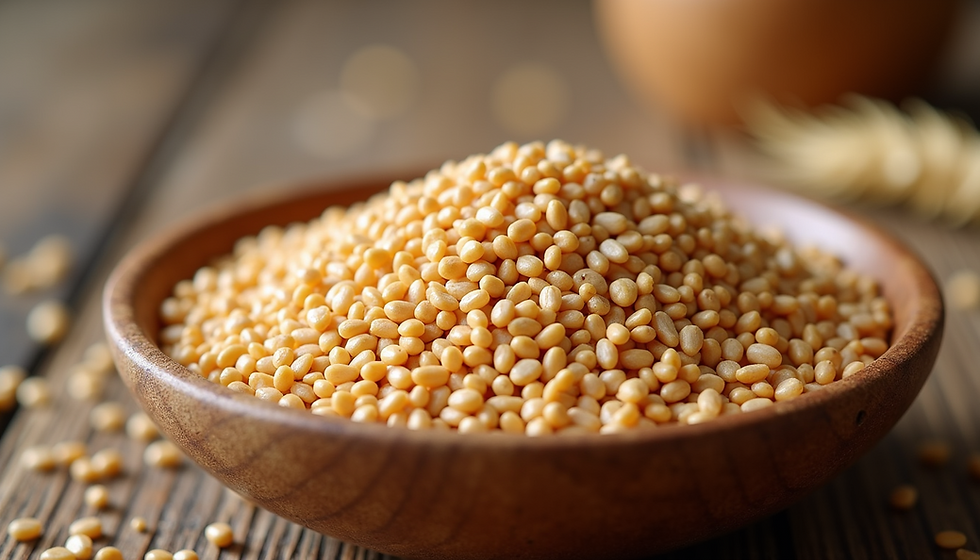
Whole Grains: Foods like quinoa, brown rice, and barley are rich in fiber and nutrients. They contribute to gut health, which is increasingly linked to mental well-being.
Fatty Fish: Salmon, mackerel, and sardines are excellent sources of omega-3 fatty acids. Research shows they can lower inflammation and support cognitive function.
Nuts and Seeds: Almonds and walnuts are high in healthy fats. Chia seeds and flaxseeds are rich in omega-3s and antioxidants.
Including these foods in your daily meals can boost your energy levels, improve mood, and enhance emotional resilience.
The Role of Inflammatory Foods
On the other hand, certain foods can trigger inflammation and negatively impact mental health. Examples include:
Refined Carbohydrates: Foods like white bread and sugary snacks can cause rapid blood sugar spikes and increased inflammatory responses.
Fried Foods: High in unhealthy fats, fried foods can worsen inflammation, leading to adverse health effects.
Processed Meats: Items like bacon and hot dogs contain preservatives that can elevate inflammation levels.
Trans Fats: Common in margarine and many packaged snacks, trans fats are known for contributing to inflammatory conditions.
Awareness of how these foods affect your body can empower you to make healthier choices for your mental wellness.
Practical Ways to Incorporate Anti-Inflammatory Foods
Meal Prep: Preparing meals ahead of time helps you prioritize anti-inflammatory ingredients. Make dishes that feature a variety of colorful produce.
Healthy Snacks: Instead of chips, choose nuts or vegetable sticks with hummus. These options provide lasting energy while also being anti-inflammatory.
Explore New Recipes: Discover recipes that highlight anti-inflammatory foods. Use spices such as turmeric and ginger to add flavor and health benefits.
Stay Hydrated: Drink plenty of water, infused with fruits like lemon or cucumber for a refreshing twist.
Educate Yourself: Stay informed about the nutritional benefits of various foods. Knowledge can support better food choices.
By consciously choosing anti-inflammatory foods, you can improve your mood and mental clarity over time.
Key Takeaways: The Path to Mental Wellness
The relationship between food and mental health is powerful. Embracing an anti-inflammatory diet and minimizing inflammatory foods can improve your mental wellness. Choosing foods wisely impacts not just physical health but also emotional resilience and cognitive function.
As research continues to reveal more about the intricate connection between diet and mental health, remember that every meal counts. The journey to enhanced mental wellness truly begins with the choices you make on your plate.

Recognizing the importance of nutrition in mental health can help you thrive on your mental health journey!


Very interesting article!!!